


-

Add: HeBei ShengShi HongBang Cellulose Technology CO.,LTD.
-

Email
13180486930@163.com -

CONTACT US
+86 13180486930



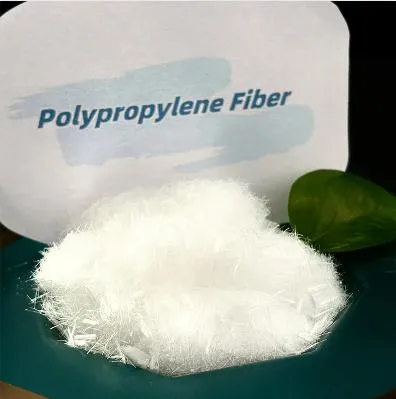
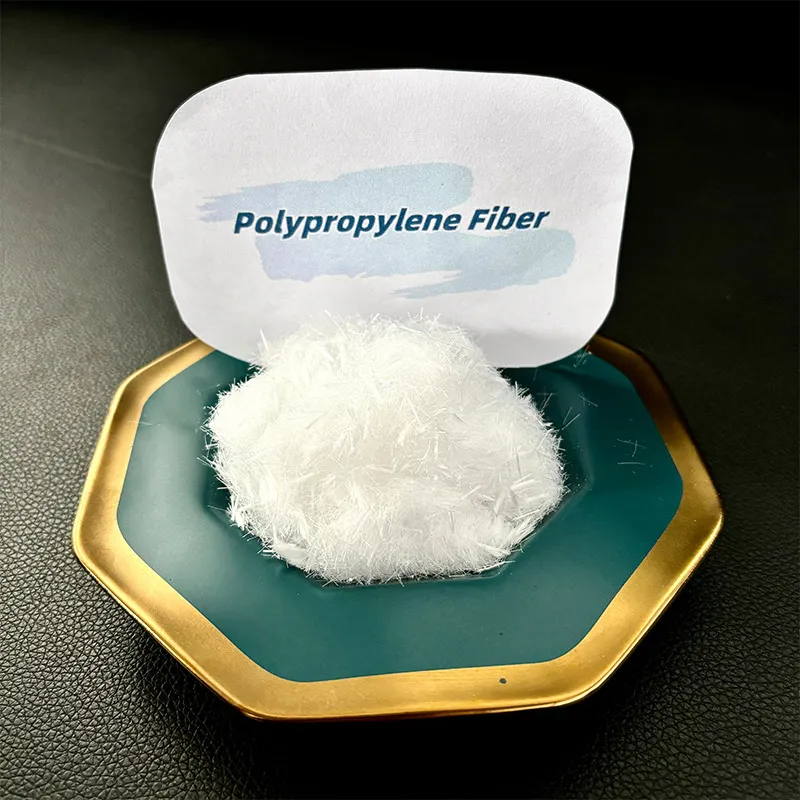
Polypropylene Fibers for Sale An Overview In the world of textiles and materials, polypropylene fibers have gained significant attention due to their unique properties and wide-ranging applications. As industries evolve and demand for specialized materials grows, polypropylene fibers have emerged as a versatile option, appealing to manufacturers and consumers alike. This article will explore the characteristics, benefits, and various applications of polypropylene fibers, highlighting why they are increasingly becoming a preferred choice in many sectors. What are Polypropylene Fibers? Polypropylene fibers are synthetic fibers made from the polymer polypropylene (PP), a type of thermoplastic. This polymer is created through the polymerization process of propylene monomers. Polypropylene fibers are known for their resilience, lightweight nature, and ability to resist moisture. Because they are resistant to degradation by water and many chemicals, polypropylene fibers offer an innovative solution for numerous applications across different industries. Key Characteristics of Polypropylene Fibers 1. Durability One of the standout features of polypropylene fibers is their strength and durability. They can withstand wear and tear, making them suitable for use in heavily trafficked areas or rugged environments. 2. Moisture Resistance Unlike natural fibers, polypropylene does not absorb water. This characteristic makes it ideal for applications that require moisture management, such as outdoor furniture and automotive interiors. 3. Chemical Resistance Polypropylene fibers are resistant to a wide range of chemicals, making them suitable for industrial applications where exposure to corrosive substances is a concern. 4. Lightweight Polypropylene is one of the lightest synthetic fibers available, which can significantly reduce transportation costs and improve the ease of handling the material in various applications. 5. UV Resistance Many polypropylene fibers are treated to be UV resistant, enhancing their longevity when used in outdoor applications. . Applications of Polypropylene Fibers ألياف البولي بروبلين للبيع Polypropylene fibers are used in a wide array of applications, spanning multiple industries. Here are some prominent uses 1. Textiles and Carpets One of the most common applications for polypropylene fibers is in the production of carpets and rugs. Their durability and moisture resistance make them ideal for residential and commercial carpeting. 2. Geotextiles In the construction industry, polypropylene fibers are used in geotextiles to provide soil stabilization, erosion control, and drainage. Their resistance to chemicals and durability make them invaluable in this field. 3. Automotive Interiors The automotive industry employs polypropylene fibers due to their lightweight nature, resistance to moisture, and ease of maintenance. They are commonly used in vehicle upholstery, carpets, and interior panels. 4. Medical Applications Polypropylene fibers are used in various medical textiles, such as surgical sutures and drapes, due to their biocompatibility and resistance to moisture and bacteria. 5. Consumer Products From outdoor furniture to industrial filters, polypropylene fibers are used in a vast range of consumer goods, making them a staple in household and commercial products. Benefits of Investing in Polypropylene Fibers Investing in polypropylene fibers can be advantageous for manufacturers and consumers alike. For manufacturers, the cost-effectiveness and versatile applications of polypropylene allow for innovation and the development of high-quality products that meet consumer demands. For consumers, the durability and low maintenance requirements of polypropylene products generally translate to long-lasting value. Moreover, as environmental concerns grow, many manufacturers are focusing on the recyclability of polypropylene fibers. Efforts are being made to enhance the sustainability of production processes and newer developments are paving the way for eco-friendly polypropylene options. Conclusion As the demand for versatile and durable materials continues to rise, polypropylene fibers stand out as a superior option across various industries. With their unique properties and diverse applications, they are a valuable resource for manufacturers looking to meet market needs effectively. Investors and businesses interested in high-quality materials would do well to consider polypropylene fibers, as they not only offer practicality but also long-term value in an ever-evolving market.
- 40000tons

Production
- 20+years

Experience
- 5000+㎡

Acreage

-
The Emergence of Wood Pulp Fiber A Sustainable Alternative In recent years, the pursuit of sustainable materials has gained significant momentum, leading to innovative solutions in various industries, from textiles to construction. One such innovation is wood pulp fiber, a versatile material derived from the decomposition of wood into its fibrous components. As societies become increasingly aware of the environmental impacts of conventional materials, wood pulp fiber stands out as an eco-friendly alternative that offers numerous benefits. Understanding Wood Pulp Fiber Wood pulp fiber is primarily extracted through the pulping process, where wood logs are processed to separate cellulose fibers from lignin and hemicellulose. This process creates a raw material that can be transformed into a range of products, including paper, textiles, and biodegradable plastics. The most common types of wood used for pulp are softwoods such as pine and fir, which are favored for their long cellulose fibers that contribute to strength and flexibility. Environmental Benefits One of the most compelling advantages of wood pulp fiber is its sustainability. As it originates from trees, a renewable resource, the lifecycle of wood pulp products can be much shorter compared to synthetic fibers like polyester, which are derived from petroleum. Furthermore, responsibly sourced wood pulp contributes to forest health by promoting sustainable forestry practices that ensure trees are replanted, preserving biodiversity, and maintaining carbon sequestration. The Emergence of Wood Pulp Fiber A Sustainable Alternative Versatility Across Industries fibra hecha de pulpa de madera The versatility of wood pulp fiber makes it an attractive alternative for various applications. In the textile industry, wood pulp can be converted into lyocell or modal fabrics, which are not only soft and breathable but also produced in a closed-loop process that significantly reduces water pollution compared to conventional cotton production. These fabrics are gaining popularity in fashion due to their comfort, environmental credentials, and stylish finish. In the packaging sector, wood pulp fiber is paving the way for biodegradable packaging solutions. As consumers demand more sustainable packaging options, wood pulp provides a solution that can help reduce the environmental footprint of e-commerce, food delivery, and retail packaging. Challenges and Future Outlook Despite its numerous advantages, the adoption of wood pulp fiber is not without challenges. The availability of sustainably sourced wood can sometimes limit production, and the technology for processing wood into fiber continues to evolve. However, as awareness and demand for sustainable materials rise, investment in research and development is likely to accelerate, opening new avenues for efficient production methods and innovative uses for wood pulp fiber. Moreover, as regulatory frameworks continue to support sustainable practices and combat climate change, wood pulp fiber stands on the brink of becoming a mainstream material in various industries. Companies are recognizing the importance of aligning their supply chains with sustainability goals, making wood pulp fiber an attractive option that meets consumer demand for eco-friendly products. Conclusion Wood pulp fiber represents a promising shift towards sustainability, offering an environmentally friendly alternative to traditional materials across diverse industries. Its biodegradable nature, coupled with the potential for sustainable production, positions it as a key player in the movement towards a greener future. As both consumers and manufacturers increasingly prioritize sustainability, wood pulp fiber could very well become a staple in our daily lives, supporting a healthier planet for generations to come.
-

Fiberglass polypropylene has emerged as a revolutionary material in the context of modern manufacturing, blending the lightweight and adaptable nature of polypropylene with the strength-enhancing properties of fiberglass. This composite is gaining momentum across various industries for its remarkable capabilities and benefits. Consider the automotive industry, where the demand for lightweight, durable materials is at an all-time high. Manufacturers are increasingly turning to fiberglass polypropylene to produce car components such as dashboards, door panels, and bumpers. The field experience reveals that using this composite not only reduces the overall weight of vehicles but also enhances their fuel efficiency. In fact, automakers report a notable reduction in production costs, a testament to the composite's dual advantage of being both lightweight and robust. The expertise behind fiberglass polypropylene further highlights its value. Engineers are continually refining the ratios of fiberglass and polypropylene to tailor the material's properties for specific applications. Through systematic testing, it has been demonstrated that this composite can maintain its integrity under extreme weather conditions, thereby ensuring long-lasting performance. The balance between flexibility and rigidity makes fiberglass polypropylene a superior choice for dynamic environments. Authoritativeness in the domain of material science underlines how fiberglass polypropylene contributes to sustainable practices. Experts advocate for this composite as it can be recycled more efficiently than traditional materials used in similar applications. Industry leaders, backed by scientific research, certify that fiberglass polypropylene reduces the carbon footprint of manufacturing processes. They emphasize its potential to revolutionize green manufacturing by minimizing waste and energy consumption during production. Trustworthiness is another facet where fiberglass polypropylene stands out. Manufacturers assure that products made with this composite consistently meet safety and regulatory standards. Rigorous quality control processes establish trust with consumers, who can depend on the durability and safety of products incorporating fiberglass polypropylene. Testimonials from industry veterans further solidify its reputation as a dependable material. fiberglass polypropylene One notable application outside the automotive industry is in the construction sector, where fiberglass polypropylene is used for insulation materials and structural panels. Builders appreciate its resistance to moisture and chemicals, which contributes to the longevity of structures. In residential and commercial buildings, the composite offers enhanced thermal insulation, translating to energy savings and increased comfort for occupants. Anecdotal reports and case studies from different market leaders provide insights into the multifaceted applications of fiberglass polypropylene. Companies specializing in outdoor furniture utilize this composite to create products that withstand harsh weather conditions without compromising on style. Their feedback consistently reflects satisfaction in terms of material performance and aesthetics. Fiberglass polypropylene pushes the boundaries of what is possible with composite materials . It embodies innovation, offering an optimal balance of strength, lightweight, and durability. Its role in promoting sustainable manufacturing practices adds a layer of responsibility toward environmental stewardship. As industries across the spectrum embrace this material, fiberglass polypropylene continues to reshape the landscape of product design and application, proving itself to be an indispensable asset to innovators worldwide. In summary, whether it is enhancing automotive efficiencies, forging advancements in construction, or crafting resilient consumer products, fiberglass polypropylene presents a synergy of experience, expertise, authoritativeness, and trustworthiness. Its versatility and sustainable nature mark its significance in the competitive realm of modern materials, cementing its status as a key player in advancing industry standards and consumer expectations. As usage expands and technologies evolve, fiberglass polypropylene is poised to lead the way toward a future where material performance meets environmental consciousness.
advantages
-

200000 Viscosities
Excellent product
We can produce pure products up to 200,000 viscosities
-

40000 tons
High yield
We don’t stop production all year round, and the annual output can reach 40,000 tons
-

24 hours
Quality service
We provide 24-hours online reception service, welcome to consult at any time
———— Inquiry Form
Schedule A services
-
 fibres_de_bois_cellulosiques
Oct . 25, 2025
In the ever-evolving world of construction materials, HPMC cellulose has emerged as an essential add -
 fabricantes_de_fibras_de_polipropileno
Oct . 25, 2025
Methyl hydroxyethyl cellulose (MHEC) is a versatile polymer that is widely used across various indus -
 utilisations_de_l_hydroxypropylmethylcellulose
Oct . 25, 2025
Starch ether is a versatile and eco-friendly compound derived from natural starch sources, widely us


